Our feet work hard for us, yet we often neglect them until a problem arises. One of the most common issues is toenails that become discolored, turning yellow or brown, and thicken, becoming difficult to trim. This isn’t just a cosmetic concern; it can be uncomfortable. Understanding the causes and practicing proper care can help you restore and maintain the health of your toenails.
Why Toenails Turn Yellow and Thick?
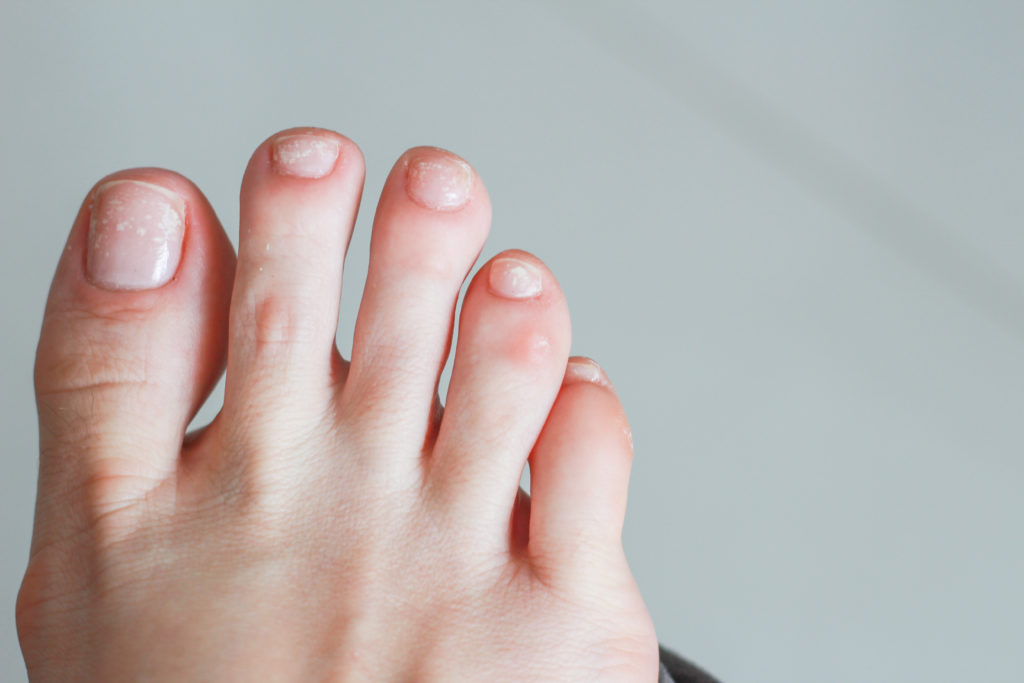
The most frequent culprit for a yellow, thickened toenail is a fungal infection, known as onychomycosis. Fungi thrive in dark, warm, and moist environments, making the inside of your shoes a perfect breeding ground. The infection causes the nail to change color, thicken, and sometimes crumble at the edges.
Other causes include:
- Aging: Just like skin, our nails change with age. They can naturally become more brittle, thick, and yellow over time.
- Repeated Trauma: Constant pressure or minor bumps from tight shoes, especially during activities like running or hiking, can damage the nail bed. The body’s response is often to produce more nail cells for protection, leading to thickening.
- Psoriasis: This skin condition can also affect nails, causing pitting, discoloration, and abnormal growth.
- Yellow Nail Syndrome: A rare condition that also affects the respiratory system and causes lymphoedema (swelling).
How to Prevent Thickening Toenails?
Prevention is always easier than cure. You can protect your toenails by adopting a few simple habits:
1. Keep Feet Clean and Dry: Wash your feet daily with soap and water, and dry them thoroughly, especially between the toes.
2. Choose Proper Footwear: Wear shoes that fit well and have enough room for your toes to wiggle. Avoid chronically tight shoes. Opt for moisture-wicking socks and change them daily.
3. Protect Your Feet in Public: Always wear flip-flops or shower shoes in public pools, locker rooms, and communal showers to avoid contact with fungi.
4. Let Your Feet Breathe: Go barefoot at home when you can to allow air to circulate around your toes.

How to Thin Thickened Toenails?
If your nails are already thick, making them thinner is a gradual process that requires patience and care. Always consult a doctor or podiatrist first to get a proper diagnosis, especially to rule out a fungal infection.
For mild thickening, you can try these safe methods at home:
- Soak and File: After a warm bath or foot soak, the nail will be softer. Use a coarse-grit sanding band to gently file the surface of the thickened nail. File in one direction only (not back-and-forth) to prevent splitting. The goal is to thin the nail, not remove it entirely.
- Topical Solutions: For diagnosed fungal infections, a doctor may recommend an antifungal lacquer.
- Professional Care: A podiatrist can professionally and safely debride (thin) the nail using special tools. This provides immediate relief and makes at-home maintenance easier.
The Right Way to Trim Your Toenails
Improper trimming is a major cause of nail trauma and ingrown toenails, which can lead to thickening. Follow these steps:
1. Soak First: Always trim after a bath or shower when your nails are soft and pliable. Pairing it with a pedicure set may yield incredible results.
2. Use the Right Tools: Use a pair of clean, sharp toenail clippers. They are larger and stronger than fingernail clippers, making the job safer and easier.
3. Cut Straight Across: This is the golden rule. Do not curve the edges to match the shape of your toe. Cutting straight across prevents the corners from growing into the surrounding skin.
4. Don’t Cut Too Short: Leave a little white edge. Cutting nails too short exposes the sensitive nail bed and increases the risk of pain and infection.
5. Smooth the Edges: After clipping, use a nail file to gently smooth any sharp or jagged corners. Again, file in one direction.
By understanding the causes and committing to consistent, proper care, you can keep your toenails healthy, strong, and looking their best. Your feet will thank you for the attention.